
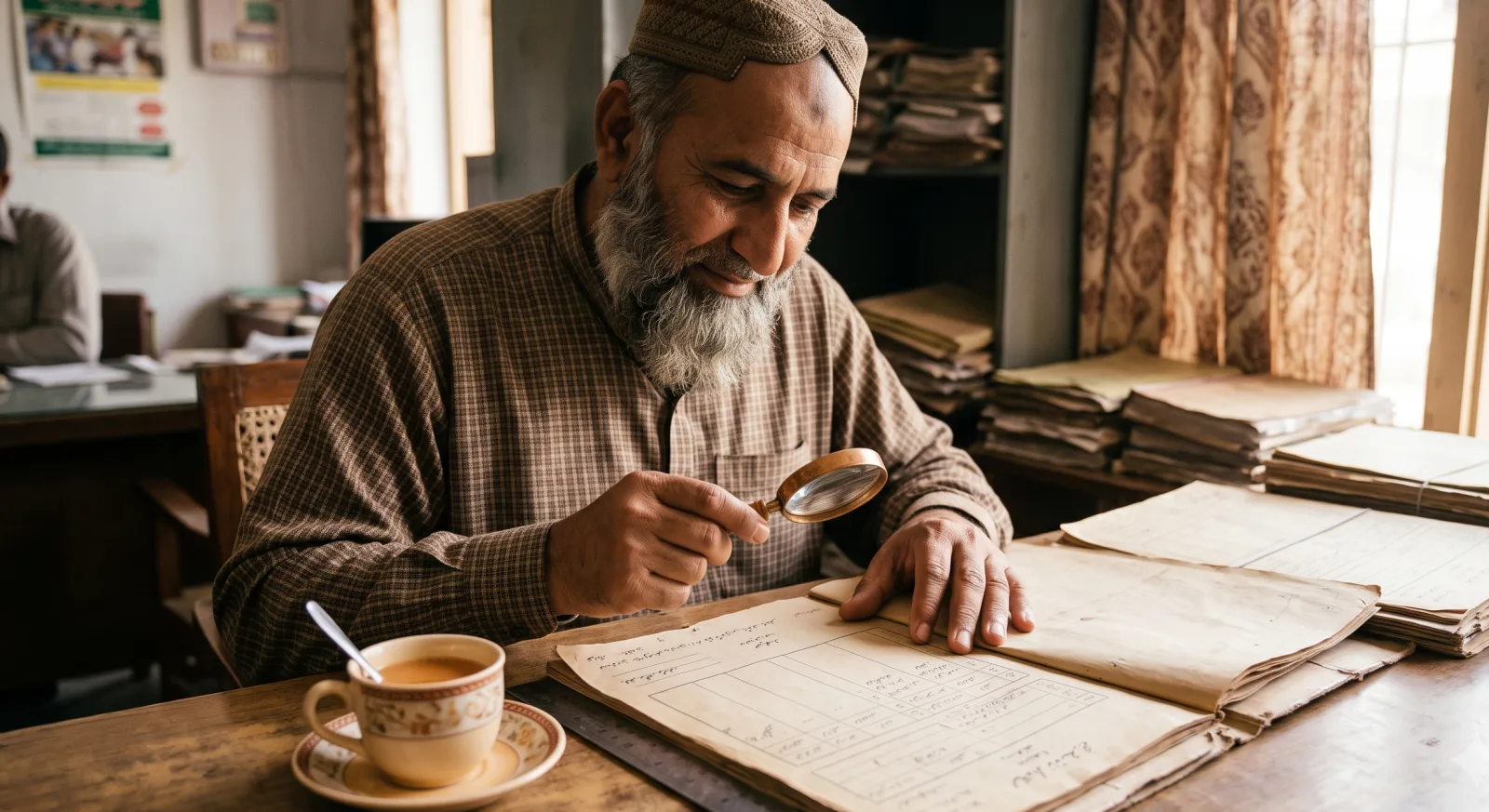
A Fard-e-Malkiat is the official record that shows who owns a piece of land in Pakistan. In simple words, it is the government’s answer to one question: whose name is this land in? For centuries it has been the first document every buyer, seller, bank and court asks for. Important update for 2026: Punjab introduced a new digital document called the Green Property Certificate and made it compulsory on July 1, 2026, then withdrew that requirement around July 11, 2026. The Fard is valid for property transactions. The Green Property Certificate was made mandatory on July 1, 2026, but the PLRA withdrew that requirement around July 11, 2026, so it is now optional. This guide explains what a Fard is, what it contains, how to get one, and what you should do now.
Key Takeaways
- Fard-e-Malkiat is the official extract of the land ownership record, issued by the Punjab Land Records Authority through the Arazi Record Centers.
- It shows the owner’s name, the land area, the Khasra numbers, and any rights or dues attached to the land.
- A Fard proves ownership on paper, but you become the legal owner only once the Intaqal (mutation) is entered in your name.
- Punjab is replacing the 485 year old Fard system with the digital Green Property Certificate issued by the Punjab Land Records Authority. PLRA
- The Fard is valid, and the Green Property Certificate is optional since the PLRA withdrew the mandatory requirement around July 11, 2026. Verify the current record before you buy, whichever document applies.
What Does Fard-e-Malkiat Mean?
Fard-e-Malkiat is an Urdu term. Fard means a record or extract, and Malkiat means ownership. So Fard-e-Malkiat is literally the record of ownership. People also call it simply the Fard, or Fard-e-Milkiat. It is the extract taken from the village land register that the government has maintained for generations to record who owns which parcel of land.
Think of it like the ownership page of a very large government ledger. When you ask for a Fard, the record center prints the current entry for your specific parcel and stamps it, so it becomes an official proof you can present to a bank, a court, or a buyer.
What Information Does a Fard Contain?
A Fard is short, but every line on it matters. A standard Fard usually shows:
| Field | What it tells you |
|---|---|
| Owner name | The person (or persons) in whose name the land is recorded |
| Khasra number | The unique number that identifies the exact parcel of land |
| Area | The size of the land, in Marla and Kanal |
| Share | If the land is jointly owned, the share of each owner |
| Rights and dues | Any mortgage, loan, or government dues attached to the land |
| Cultivation entry | Who is recorded as cultivating the land |
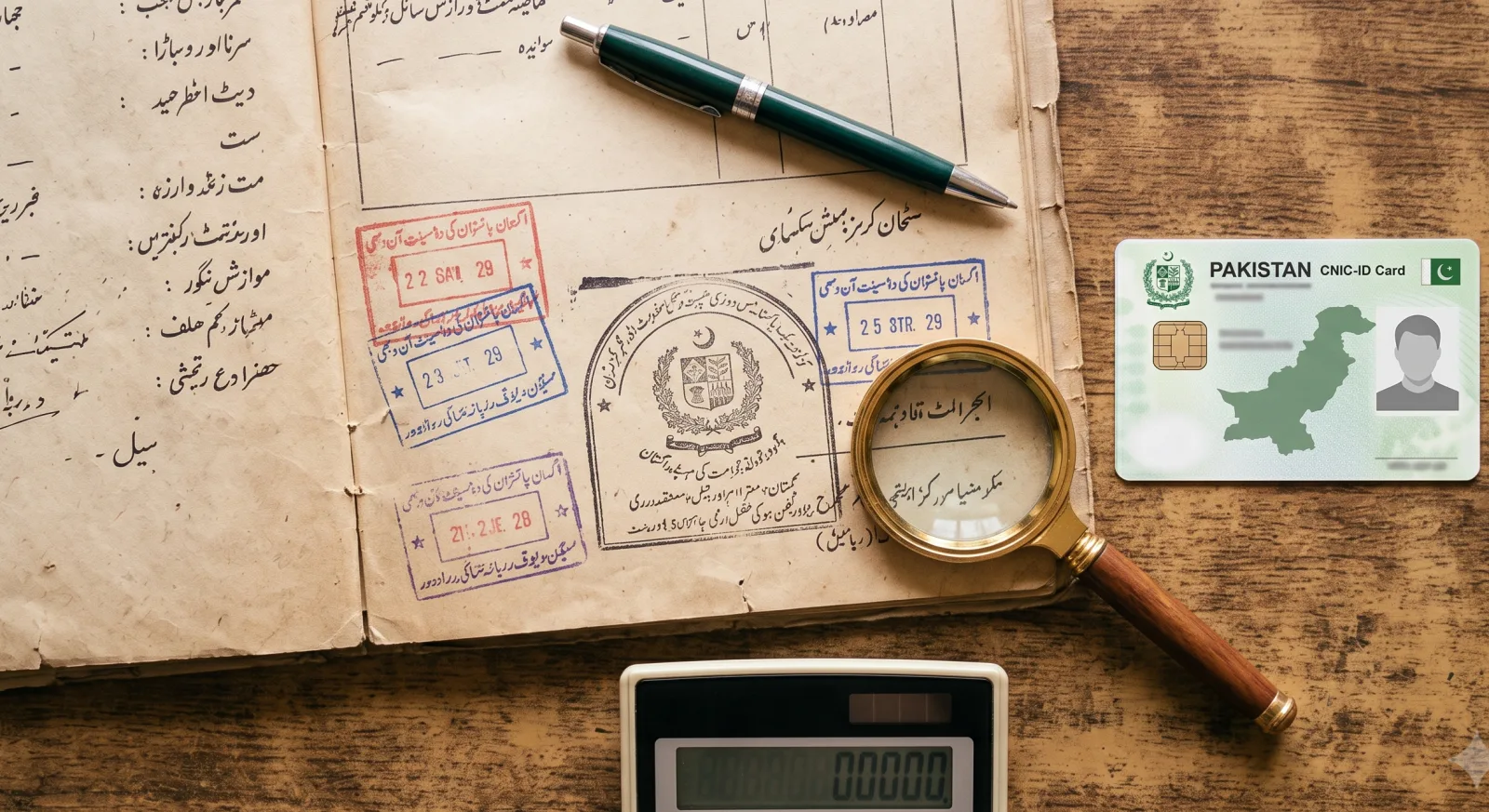
Before buying any land, you should read each of these fields carefully. A mismatch between the seller’s claim and the Fard, for example a different name or a smaller share than promised, is an early warning sign.
Types of Fard You Will Hear About
In everyday dealings, a few names come up again and again:
- Fard-e-Malkiat (Ownership Fard): the standard proof of who owns the land. This is the one buyers ask for.
- Fard-e-Jamabandi: the periodic record of rights for a whole village, updated every few years, from which individual Fards are drawn.
- Fard Badar: a correction entry, used when a genuine mistake in the record has to be fixed.
For a normal purchase, the Fard-e-Malkiat is the document you need to verify ownership, along with the mutation record that shows the chain of past transfers.
How to Get a Fard-e-Malkiat
There are two simple routes in Punjab:
- Arazi Record Center (ARC): visit the Arazi Record Center in the relevant tehsil, provide the Khasra number or the owner CNIC, pay the small official fee, and collect a computerized, stamped Fard.
- PLRA online: the Punjab Land Records Authority also lets you view the land record online through its official portal. PLRA For a legally usable copy, most people still get the stamped ARC version.
Always insist on a fresh Fard, taken close to the date of purchase. An old Fard may not show a recent sale, mortgage, or court dispute.
Why Punjab Is Replacing the Fard with the Green Property Certificate
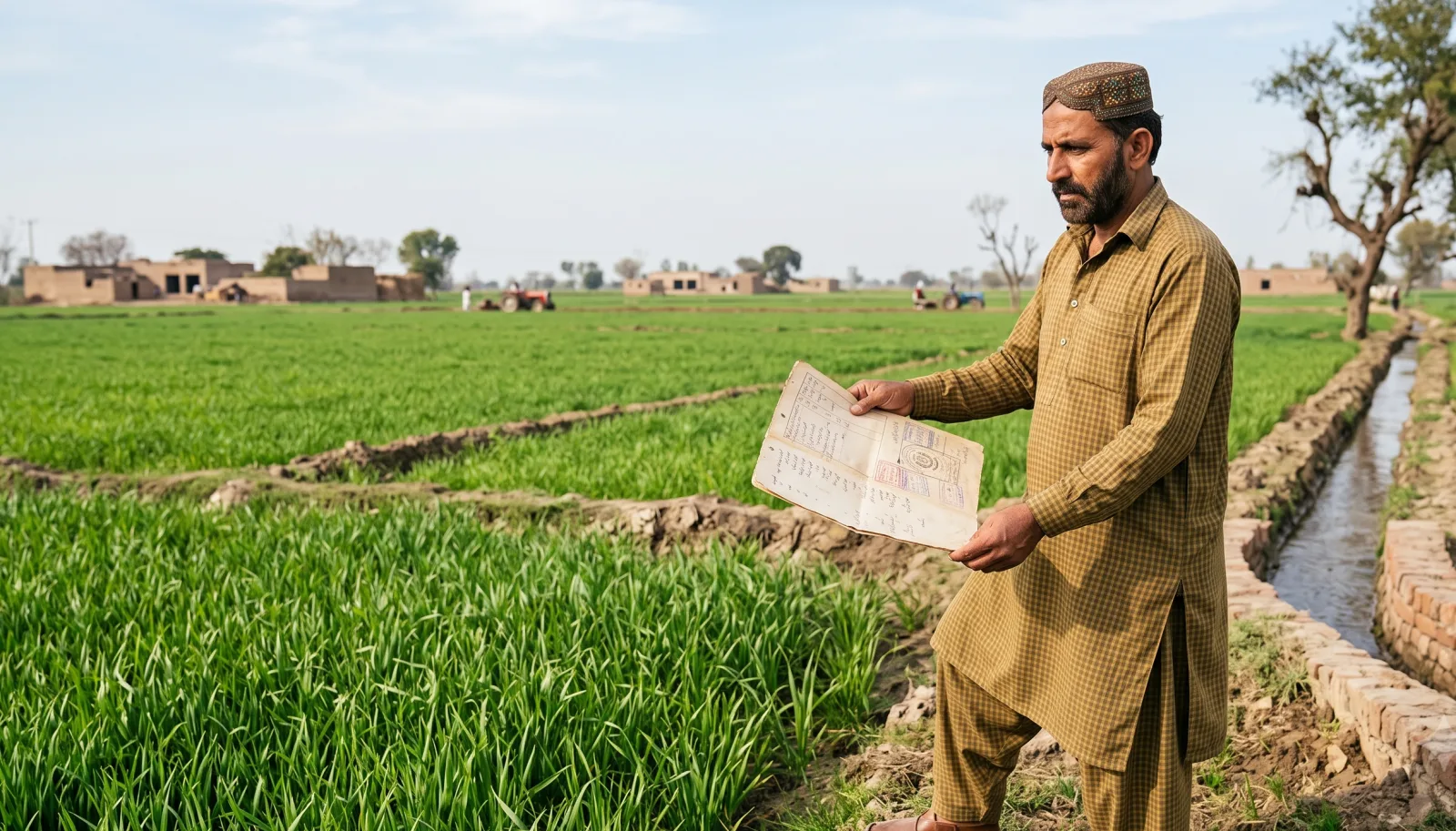
The handwritten Fard system in Punjab is around 485 years old. Over centuries it grew slow, hard to verify, and open to tampering and disputes. To fix this, the Punjab Land Records Authority, with support from the World Bank backed PULSE project, is introducing a modern digital document called the Green Property Certificate. PLRA
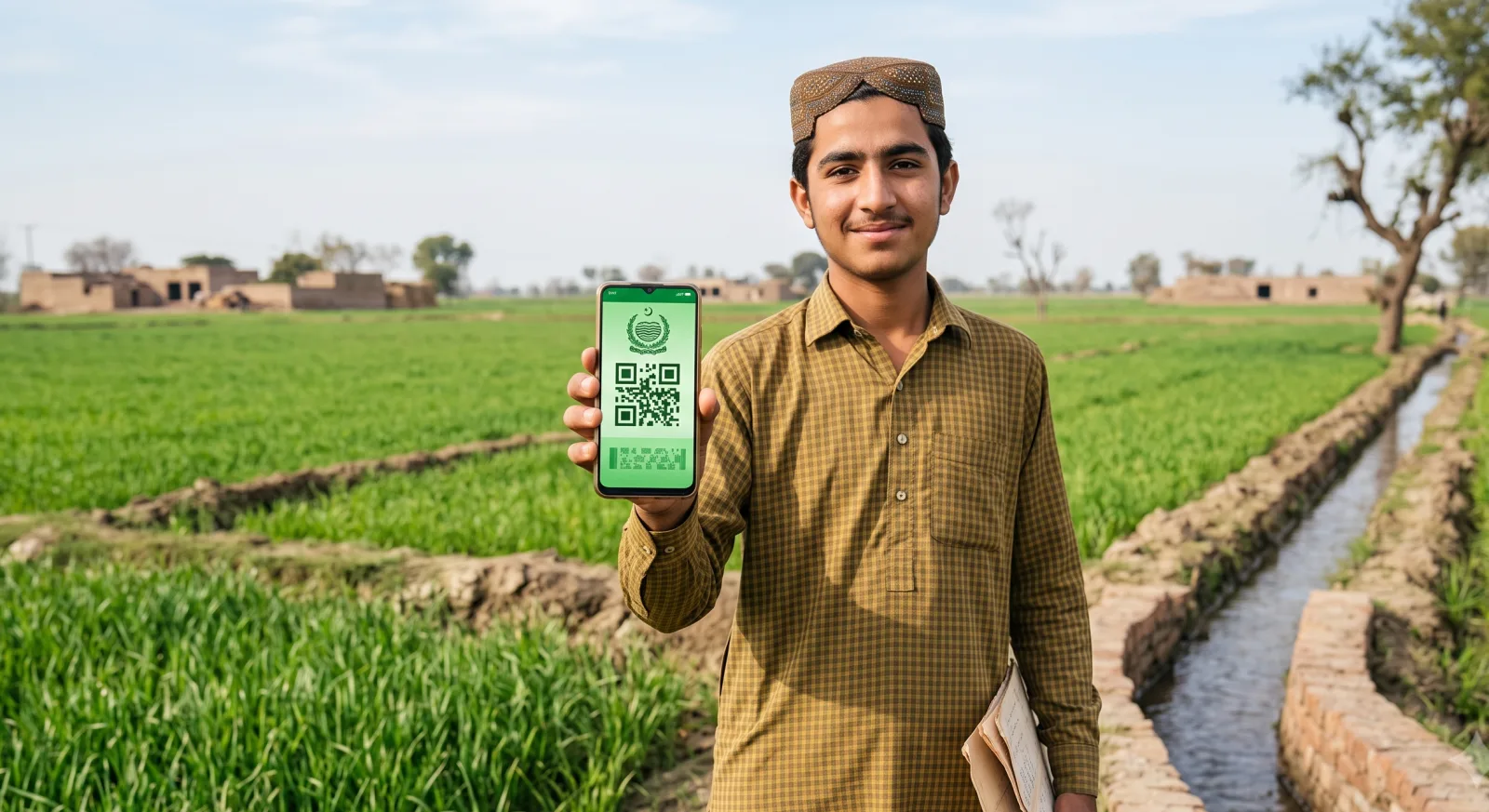
The Green Property Certificate brings ownership, possession, legal status, and any dues together into one verified certificate with a QR code that anyone can scan to check authenticity. For a buyer this means stronger proof, fewer disputes, and a document that banks accept more easily.
Here is the part that matters for your timing. The Fard is valid right now. It was suspended for about ten days when the Green Property Certificate became mandatory on July 1, 2026, but the PLRA withdrew that requirement around July 11, 2026 and declared the Naqal Arazi Record a legally valid document for transactions. So the Fard is not being thrown away. It is accepted today, and the Green Property Certificate sits alongside it as the stronger, optional choice.
We explain the new certificate in full, including the application steps and fee, in our complete guide to the Green Property Certificate in Punjab.
What This Means for You Right Now
- If you are buying or selling now, verify the current Fard and complete the mutation as usual.
- Get familiar with the Green Property Certificate anyway. It is optional, but it is the only document that also shows possession, litigation and mortgages.
- Whichever document applies, the golden rule does not change: verify the official record before you pay. See our step by step guide on how to buy agricultural land in Pakistan.
At Jungle Dunia, every property we offer comes with clear, verified land records, and our team guides you through the documentation from start to finish, including the move to the Green Property Certificate. If you would like to invest in verified agroforestry land near Lahore and Kasur, talk to us on WhatsApp or browse our available properties.
Frequently Asked Questions
What is Fard-e-Malkiat in simple words?
It is the official government record that shows who owns a piece of land, along with the land area, Khasra number, and any rights or dues attached to it. It is the first document buyers, banks, and courts ask for.
Is a Fard proof of ownership?
A Fard shows the recorded owner, but full legal ownership passes to a buyer only when the Intaqal (mutation) is entered in the buyer’s name after the sale is registered. Always confirm the mutation, not just the Fard.
How can I get a Fard-e-Malkiat?
You can collect a computerized, stamped Fard from the Arazi Record Center in the relevant tehsil using the Khasra number or owner CNIC, or view the record online through the Punjab Land Records Authority portal.
Is the Fard still valid in 2026?
Yes. The Fard is valid for property transactions. It was briefly replaced when the Green Property Certificate became mandatory on July 1, 2026, but the PLRA withdrew that requirement around July 11, 2026.
What is the difference between a Fard and the Green Property Certificate?
The Fard is the older handwritten style extract of ownership. The Green Property Certificate is the new digital certificate that combines ownership, possession, legal status, and dues into one QR verified document, and it is optional since the PLRA withdrew the mandatory requirement around July 11, 2026.
Jungle Dunia farmland comes with full registry transfer (intaqal) in your name, clean and verified records, and land that is ready for the new Green Property Certificate system. No disputes, no ownership surprises, no hidden claims.