
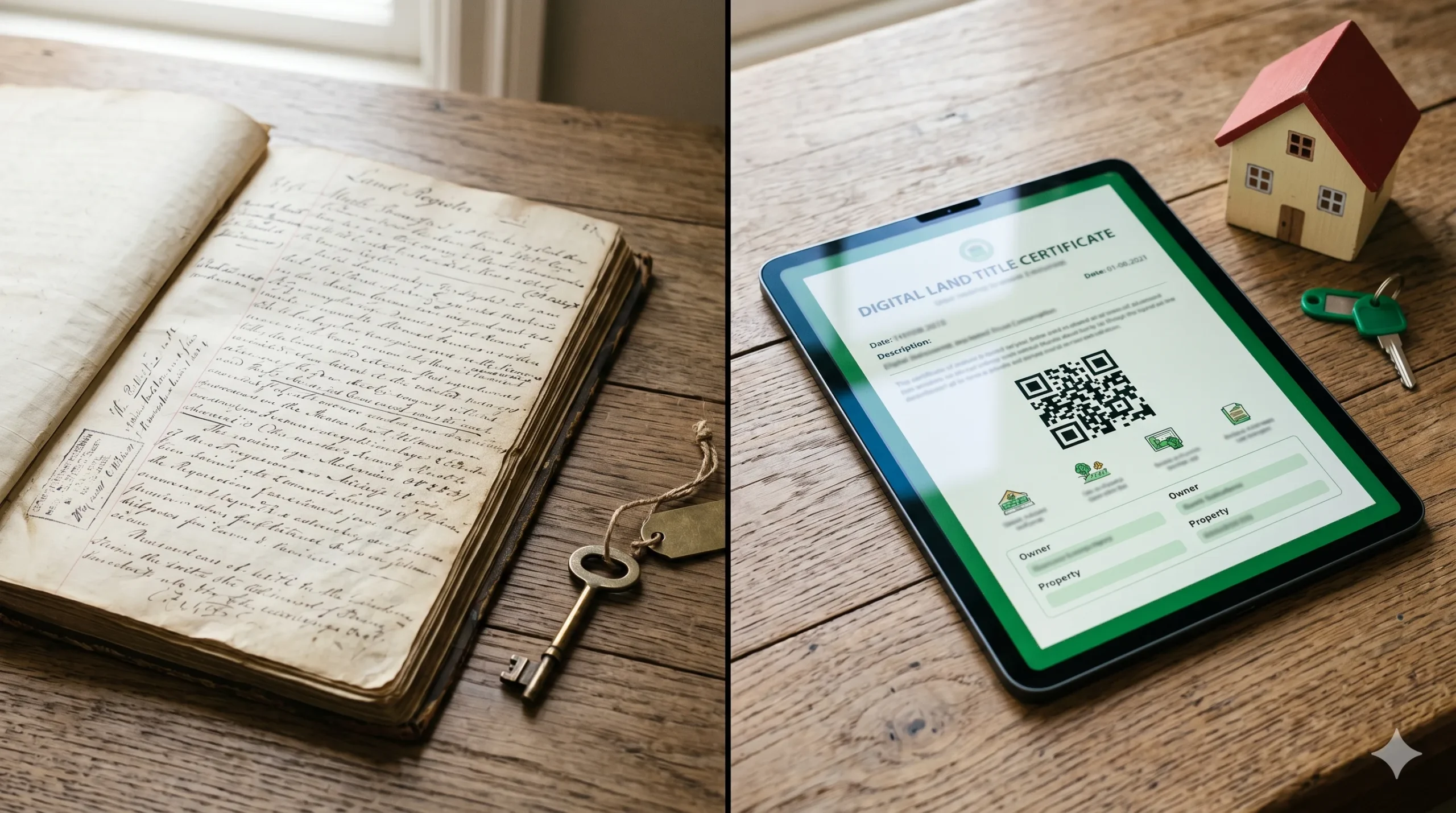
If you own or plan to buy property in Punjab, you have probably heard that the old Fard is being replaced by the Green Property Certificate (GPC). In short, the Fard was a manual record that only listed ownership entries. The Green Property Certificate is a single digital document that confirms ownership, possession, court status and mortgages on one certificate, backed by a Government of Punjab guarantee. From July 1, 2026 the GPC, not the Fard, is the legally accepted proof of land ownership across Punjab. Here is the full difference in simple words.
Latest update (14 July 2026): you get to choose between them.
The Green Property Certificate was compulsory across Punjab for ten days from July 1, 2026. Around July 11 the PLRA withdrew that requirement and declared the Naqal Arazi Record a legally valid document for transactions. So the Fard is accepted again and the certificate is optional. That makes the comparison below more useful, not less: it is now a decision rather than an obligation.
Key Takeaways
- The Fard is an old manual record extract that shows ownership entries only. The Green Property Certificate is a single digital document issued by the Punjab Land Records Authority (PLRA).
- The GPC confirms ownership, physical possession, court cases, mortgages and mapped boundaries, all on one certificate. The Fard does none of that beyond listing ownership.
- The GPC carries a Government of Punjab guarantee. If a certificate is later found to be wrongly issued, the state compensates the affected party instead of taking the land from the certified holder.
- Each certificate has a QR code for instant online verification, GIS and GPS mapped boundaries, and an owner identity verified through NADRA.
- The Fard is legally valid again. It was suspended when the GPC became mandatory on July 1, 2026, but the PLRA withdrew that requirement around July 11, 2026. The GPC is now optional, so choosing between them is up to you.
What Is the Fard?
The Fard, often called Fard Malkiat, is the traditional record of rights for land in Punjab. For generations it has been the document people ask for when they want to prove who owns a piece of land. In practice the Fard is only one part of a fragmented system that also includes the Inteqal (mutation) and the Registry. Each document sits separately, and a buyer often has to collect and cross check several of them.
The bigger problem is what the Fard does not tell you. It lists the ownership entries from the register, but it does not confirm who is physically in possession of the land, it does not show whether a court case or stay order is attached to the property, and it does not reveal a hidden mortgage or lease. Because much of this record was manual, it also left room for duplicate registries, tampering and fraud.
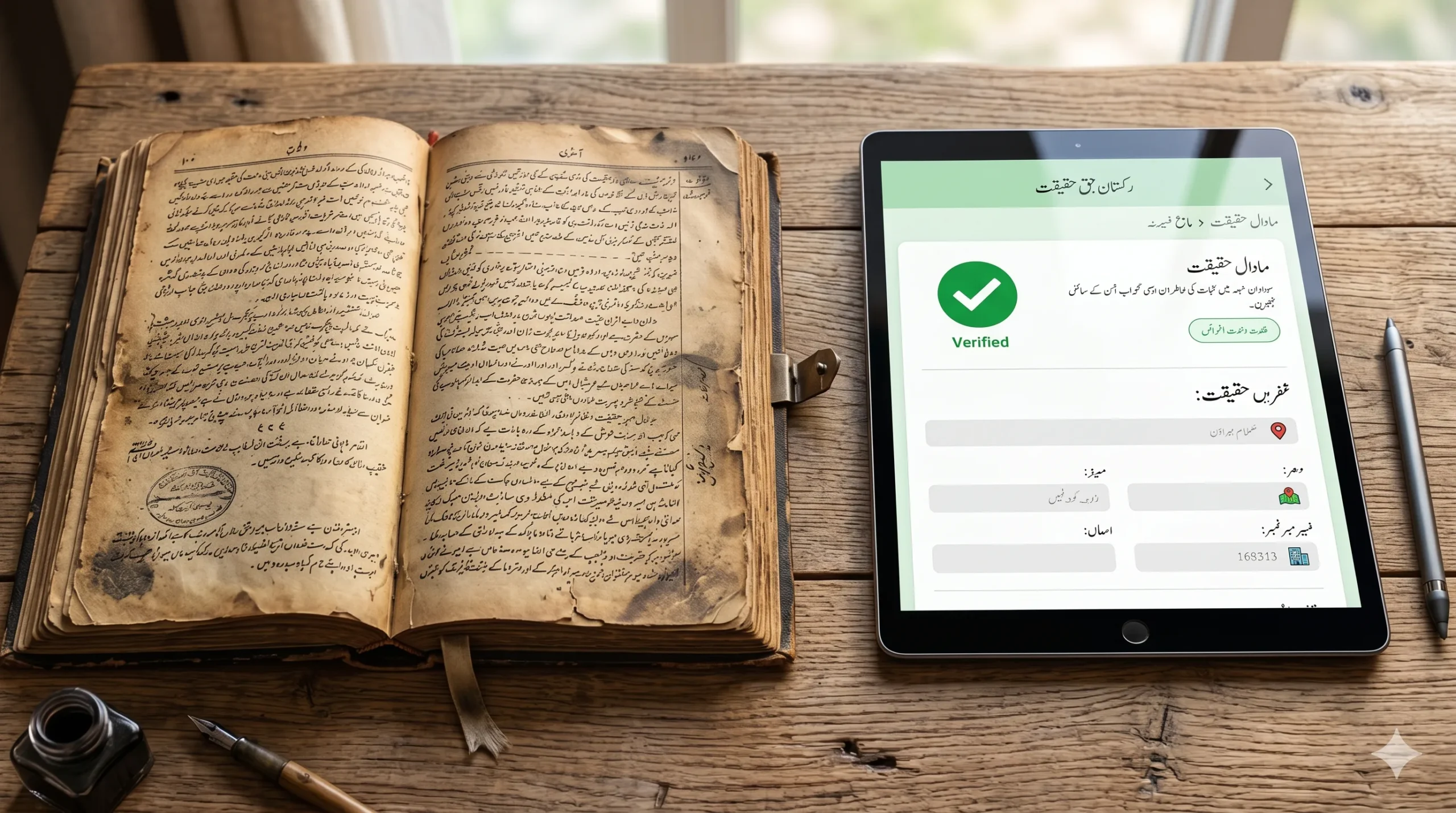
What Is the Green Property Certificate?
The Green Property Certificate is the new official ownership document for property in Punjab. It is issued by the Punjab Land Records Authority (PLRA) under the Punjab Urban Land Systems (PULS) project, carried out with support from the World Bank. Officials describe it as a digital identity card for a piece of land, the same idea as a CNIC for a person.
Instead of several scattered papers, the GPC pulls everything into one verified digital document. It maps the exact boundaries of the parcel using GIS and GPS surveys, ties the owner record to their CNIC through NADRA verification, and prints a QR code so that a buyer, a bank or a court can confirm the details online in real time. Crucially, the Government of Punjab stands behind the data on the certificate. If the certificate is later found to have been issued by mistake or through fraud, the state compensates the affected party rather than stripping the land from the certified holder.
GPC vs Fard: The Key Differences
| What it covers | Fard (old) | Green Property Certificate (new) |
|---|---|---|
| Shows ownership | Yes | Yes |
| Confirms physical possession (qabza) | No | Yes |
| Shows court cases, stay orders and disputes | No | Yes |
| Shows mortgages, bank liens and leases | No | Yes |
| Boundaries verified by GIS and GPS survey | No | Yes |
| Owner identity linked to NADRA | No | Yes |
| Instant online verification (QR code) | No | Yes |
| Government guarantee on the data | No | Yes, state compensates if wrongly issued |
| Format | Manual record extract, one of several papers | Single digital certificate |
| Issued by | Arazi Record Center (PLRA) | PLRA |

Why This Difference Matters When You Buy or Sell
For an ordinary buyer, the gap between these two documents is the difference between guessing and knowing. With a Fard you could confirm that a name appeared in the register, but you could still walk into a property that someone else was occupying, or discover a court case or a bank loan only after you had paid. The Green Property Certificate is designed to remove that uncertainty. Before you hand over money, the certificate tells you who owns the land, who possesses it, and whether any legal complication is attached to it.
Banks feel this difference too. A verifiable digital asset with mapped boundaries and a clear status is far easier to accept for a loan than a manual Fard, so GPC certified property is expected to be more bank friendly over time. And because the record is surveyed, digitised and verified, the old tricks of fake or duplicate registries become much harder to pull off. For a market that has long suffered from land grabbing and document fraud, that is a genuine step forward.
Is the Fard Worthless Now?
No. In fact it is legally valid again. The certificate was compulsory for about ten days from July 1, 2026, and the PLRA then withdrew that requirement, restoring the Fard and the Naqal Arazi Record for transactions. So a deal done on a Fard is fully recognized today. What the comparison above shows is not that the Fard is invalid, but that it is thinner: it tells you who owns the land, and stays silent on possession, court cases and mortgages. That silence is the risk you carry when you rely on it alone.
How Jungle Dunia Helps You
At Jungle Dunia we sell documented agroforestry farmland in District Kasur and verified plots, houses and farmhouses near Lahore. Clear documentation has always been our standard, with the record verifiable at the Arazi Record Center. As Punjab moves from the Fard to the Green Property Certificate, our team guides every buyer through the new requirements, so the change works in your favour and not against you. Contact us if you want help understanding the documents on a specific property.

Frequently Asked Questions
What is the main difference between the Fard and the Green Property Certificate?
The Fard only lists ownership entries from the register. The Green Property Certificate is a single digital document that confirms ownership, physical possession, court status and mortgages together, with mapped boundaries and a Government of Punjab guarantee behind the data.
Is the Fard still valid in 2026?
Yes. The Fard was suspended when the GPC became mandatory on July 1, 2026, but the PLRA withdrew that requirement around July 11, 2026 and declared the Naqal Arazi Record a legally valid document for transactions. The Fard, or a certified copy of the land record, is accepted again for sale, purchase, mortgage and gift, and the GPC is now optional rather than compulsory.
Does the Green Property Certificate show court cases and mortgages?
Yes. Unlike the Fard, the GPC lists active court litigation and stay orders, the physical possession status, and any active mortgage, bank lien or lease, all on the one certificate.
Is the Green Property Certificate safer than the Fard?
Yes. It is surveyed with GIS and GPS, linked to the owner CNIC through NADRA, and verifiable instantly through a QR code. The Government of Punjab also guarantees the data, so if a certificate is wrongly issued the state compensates the affected party rather than taking the land back from the certified holder.
Do I still need my old Fard and registry documents?
Keep them safe. The Fard is legally valid again since the July 11, 2026 withdrawal, and your old records remain the base of your ownership trail. They are also used if you later decide to have your property mapped and certified.
How much does the Green Property Certificate cost?
It was reported at Rs 950 per land parcel when it was introduced. The official PLRA schedule of service charges for FY 2026-27 (Notification No. PLRA/BM/2885, dated 7 July 2026) does not list a separate GPC issuance fee, and prices a copy of record including the GPC at Rs 900, or Rs 4,000 through Express Service. Confirm the current amount at your Arazi Record Center before you pay.
Disclaimer: This guide is general information based on official announcements and reporting available in 2026. Procedures, fees and dates can change with government notifications. Always confirm the latest requirements with the Punjab Land Records Authority (punjab-zameen.gov.pk) or your nearest Arazi Record Center.
Jungle Dunia farmland comes with full registry transfer (intaqal) in your name, clean and verified records, and land that is ready for the new Green Property Certificate system. No disputes, no ownership surprises, no hidden claims.