
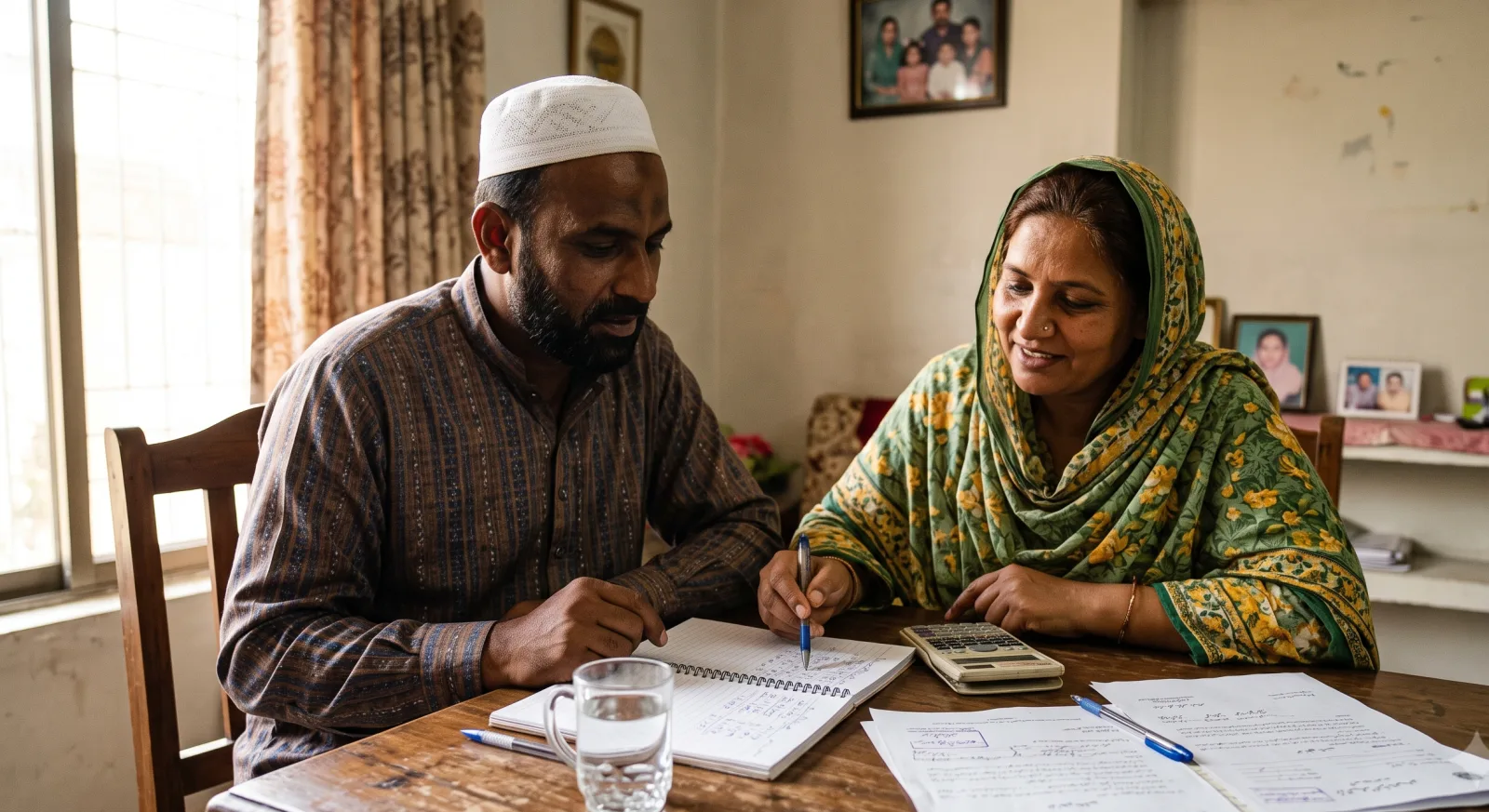
If you are buying or selling property in Pakistan in 2026, the single biggest factor in your tax bill is not the size of the plot. It is whether your name is on the Active Taxpayer List. The 2026 budget cut the main property taxes for filers and kept them high for non-filers, so the gap between the two is now very large. In short, a filer buying a property pays a flat 1.25 percent advance tax, while a non-filer pays around ten times that. This guide explains every property tax you will meet in 2026, in plain language, so you know exactly what you are paying and how to pay less legally.
Key Takeaways
- The two main transaction taxes are Section 236K, paid by the buyer, and Section 236C, paid by the seller. FBR
- Under the Finance Act 2026, effective July 1, 2026, the old slab rates became simple flat rates for filers: 1.25 percent for the buyer and 2.75 percent for the seller. FBR
- Non-filers pay far more, roughly 10.5 percent as a buyer and 11 percent as a seller, which is the government’s way of pushing everyone to become a filer. FBR
- The Federal Excise Duty on property transfers, once 3 to 7 percent, was abolished from July 1, 2025. Dawn
- In Punjab, stamp duty is now a uniform 1 percent of the property value. The Nation
The Two Main Property Taxes
Almost every property deal in Pakistan involves two federal advance taxes collected at the time of transfer.
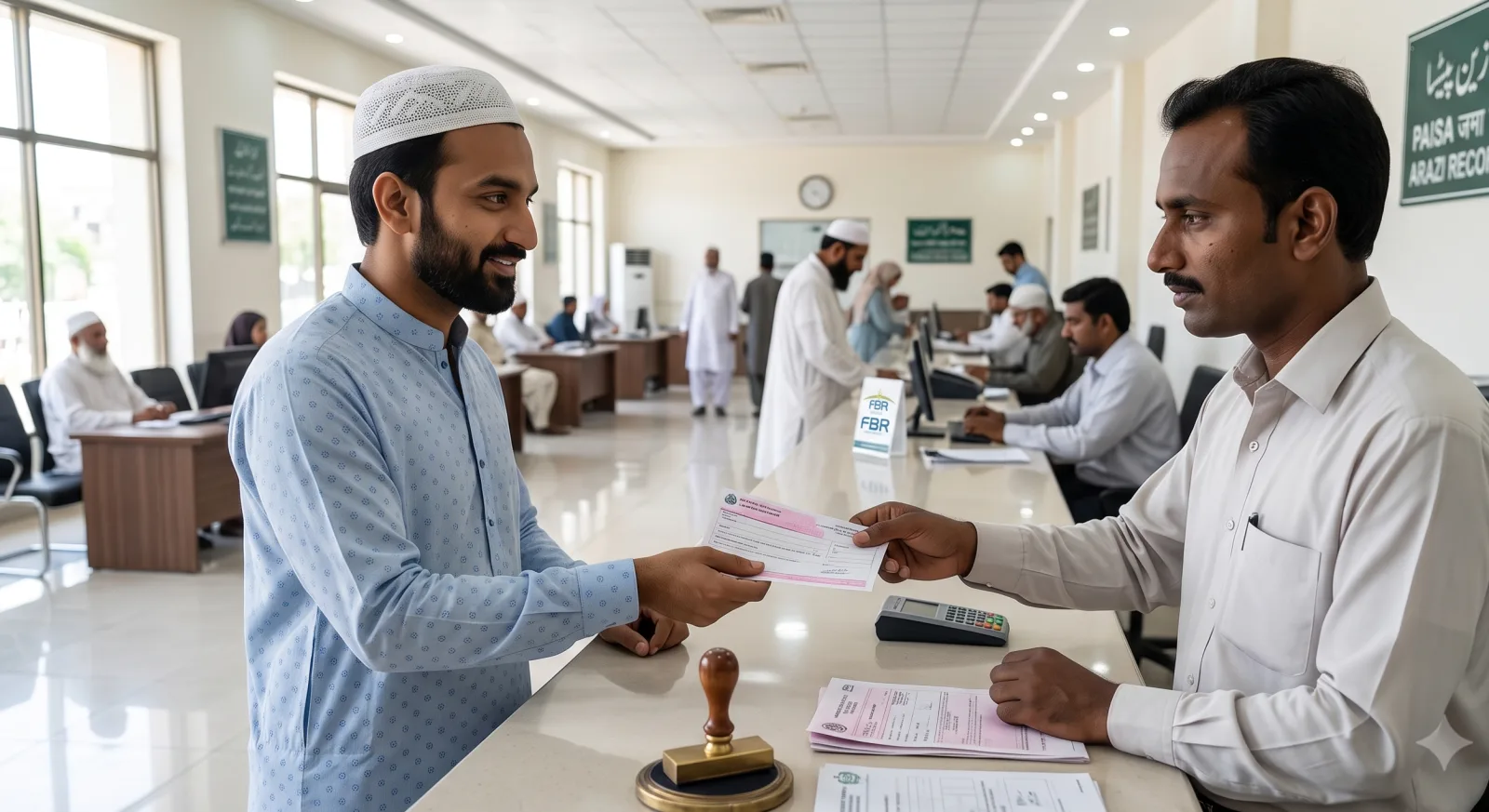
Section 236K is the buyer tax. When you purchase a plot, house, farmhouse land, shop, or any immovable property, you pay 236K advance tax at the transfer stage.
Section 236C is the seller tax. When the property is transferred out of the seller’s name, the seller pays 236C advance tax.
Both are called advance taxes because they are adjustable against your yearly income tax return. That is one more reason filing your return matters, because a filer can account for this tax, while a non-filer simply loses more up front.
Here are the 2026 rates side by side:
| Tax | Who pays | Filer (2026) | Non-filer (2026) |
|---|---|---|---|
| Section 236K | Buyer | 1.25 percent | about 10.5 percent |
| Section 236C | Seller | 2.75 percent | about 11 percent |
FBR source for the filer rates.
Capital Gains Tax on Property
If you sell a property for more than you paid, the profit can attract Capital Gains Tax. This is separate from the 236C advance tax, and it applies to the gain, not the whole sale price. For active filers, property acquired on or after July 1, 2024 is taxed at a flat 15 percent on the gain, with no reduction for holding it longer. ProPakistani Property bought before that date still follows the older holding period slabs. Long term farmland held and improved through a managed project is usually a very different story from short term plot flipping, so it helps to plan your holding period with proper advice.
Section 7E: Struck Down by the Courts in 2026
Section 7E used to block many transfers. It applied to people whose total immovable property in Pakistan was worth more than Rs 25 million in fair market value. The law treated that property as if it earned a deemed income and taxed it, which worked out to roughly 1 percent of the assessed value per year, and a seller usually could not complete a transfer without a Section 7E certificate from the Commissioner Inland Revenue. That has now changed. In May 2026 the Federal Constitutional Court struck Section 7E down as unconstitutional and void from the beginning, and dismissed the FBR appeals that sought to restore it. Dawn Tax rules move quickly, so confirm the current position with your tax adviser at the time of your transaction.
Provincial Charges: Stamp Duty and Registration
On top of the federal taxes, the province collects its own charges. In Punjab in 2026:
- Stamp duty is a uniform 1 percent of the property value, in both urban and rural areas. Rural property paid 3 percent before the Punjab Stamp (Amendment) Ordinance 2026, which the Governor assented to in April 2026. The Nation
- Land record and mutation fees are modest and fixed. The intiqal service fee is Rs 1,200, a bank processed mutation is Rs 2,100, and a standard Fard copy is Rs 900. The Express Tribune
We explain how the registry and the mutation actually work in our guide on registry vs intiqal.
Good News: FED on Property Transfer Is Gone
For a while, buyers faced a Federal Excise Duty of 3 to 7 percent on property transfers, which quietly added a large sum to every deal. This FED on the transfer of residential and commercial property was abolished from July 1, 2025. Dawn Combined with the lower filer rates in the 2026 budget, the overall cost of a documented, filer to filer property purchase is now noticeably lighter than it was two years ago.
Why Being a Filer Now Saves You Lakhs
The numbers make the point better than any argument. Imagine buying a plot worth Rs 10,000,000, which is one crore rupees.
| Cost at purchase | Filer | Non-filer |
|---|---|---|
| Buyer advance tax (236K) | Rs 125,000 | about Rs 1,050,000 |
| Stamp duty (1 percent) | Rs 100,000 | Rs 100,000 |
| Approximate total | Rs 225,000 | about Rs 1,150,000 |
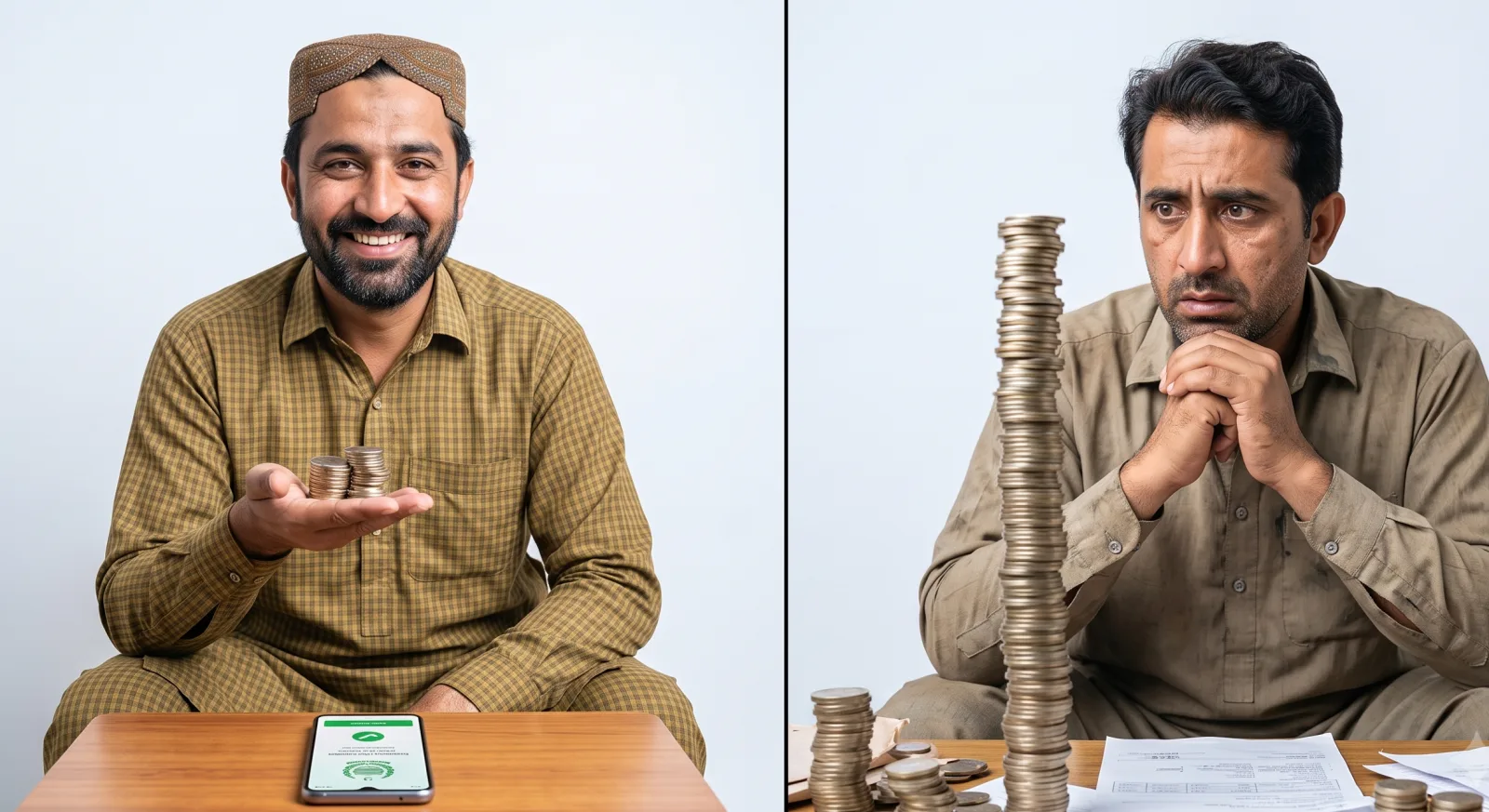
On a single one crore deal, being a filer can save you close to Rs 900,000. Getting on the Active Taxpayer List is usually far cheaper and faster than most people expect, and it pays for itself on your very first property transaction.
A Note for Overseas Pakistanis
If you are an overseas Pakistani holding a NICOP or POC, you are not stuck with non-filer rates. Under the FBR verification process, eligible non-resident Pakistanis can claim the filer rate on 236C and 236K even if they do not file a local return. FBR This is a real saving worth arranging before you buy from abroad.
Where the Green Property Certificate Fits
Taxes and fees are paid during the transfer, and the ownership record itself is moving to a new format. Punjab is replacing the old Fard with the digital Green Property Certificate. The Fard is valid for property transactions. The Green Property Certificate was made mandatory on July 1, 2026, but the PLRA withdrew that requirement around July 11, 2026, so it is now optional. Your taxes do not change because of the certificate, but the document you receive as proof does. Read our full guide to the Green Property Certificate for the details.

At Jungle Dunia, every property comes with clean, verified records, and our team helps you calculate your taxes correctly and complete the documentation the right way, filer rates included. If you want to invest in verified agroforestry land near Lahore and Kasur, talk to us on WhatsApp or browse our available properties. New to the process? Start with our guide on how to buy agricultural land in Pakistan.
Frequently Asked Questions
What taxes do I pay when buying property in Pakistan in 2026?
The main one is the Section 236K advance tax, which is a flat 1.25 percent for filers and around 10.5 percent for non-filers. You also pay provincial stamp duty, which is 1 percent in Punjab, plus small fixed fees for the mutation and land record.
What taxes does a seller pay?
A seller pays the Section 236C advance tax, a flat 2.75 percent for filers and around 11 percent for non-filers. If the sale produces a profit, Capital Gains Tax may also apply, at a flat 15 percent on the gain for active filers.
Is being a tax filer really worth it for property?
Yes. On a one crore rupee purchase, a filer can pay close to Rs 900,000 less in advance tax than a non-filer. Getting on the Active Taxpayer List usually pays for itself on the first deal.
Was the FED on property removed?
Yes. The Federal Excise Duty on property transfers, which ran from 3 to 7 percent, was abolished from July 1, 2025.
Can overseas Pakistanis get filer tax rates?
Yes. Eligible overseas Pakistanis with a NICOP or POC can obtain the filer rate on 236C and 236K through the FBR verification process, even without filing a local return.
Do property taxes change because of the Green Property Certificate?
No. The taxes and fees stay the same. The certificate only changes the ownership document you receive. The Fard is valid, and the Green Property Certificate is optional since the PLRA withdrew the mandatory requirement around July 11, 2026.